

A retired engineer created a weekend project, and 24 hours later, Mac Minis were sold out everywhere. It was the world’s first zero-employee company.
Meet Peter Steinberger and his creation: OpenClaw.
After selling his previous company, Steinberger wanted an AI that could actually do real work. Hence, he built one, and the project went from zero to 9,000 GitHub stars in a single day.
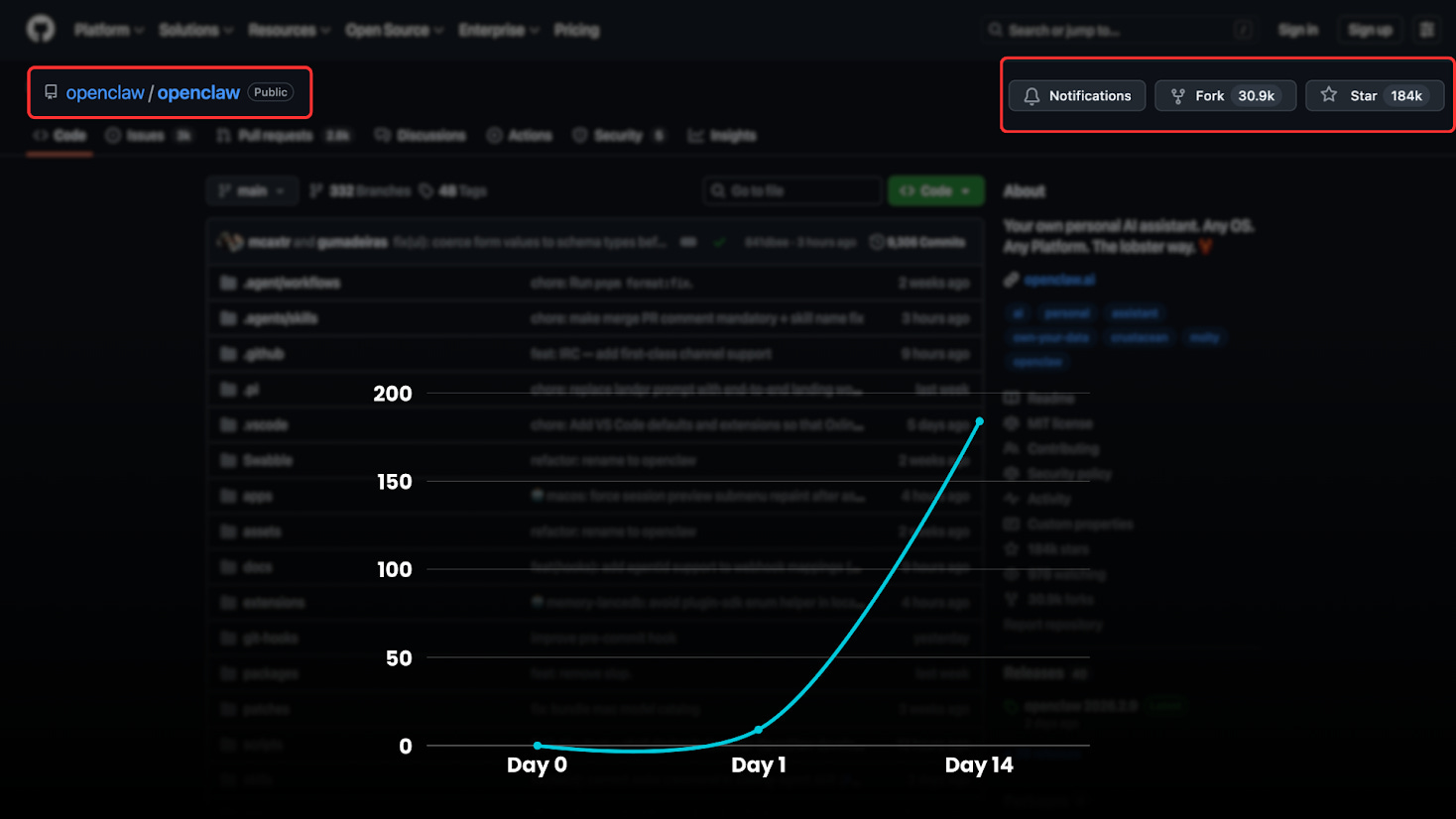
But let me share the twist that turned the tables upside down.
Within 10 seconds of announcing a rebrand that finally brought OpenClaw to light, crypto scammers hijacked the original name and launched a fake $16 million token. The autonomous ability that made OpenClaw powerful was now a security risk.
What makes OpenClaw different:
Catches problems before they happen: proactive, not reactive
Works the night shift: fixes bugs, sends morning summaries
Runs locally: your data never leaves your machine
How it works: Connects through WhatsApp Monitors your systems 24/7, executes commands, fixes issues, updates you that too without waiting for permission.
What Breaks Between AI Strategy and Execution? Scale AI in 4 Steps
Recently, I came across something that stuck with me. A company launched a customer-facing AI chatbot. A customer asked about a feature, and the bot confidently gave them the name, pricing, and timeline.
Everything was fake, and the feature didn’t exist.

Here’s what I think is breaking:
1. Starting with technology instead of friction- There’s a one-sentence test that forces you to define the real problem first—no tech jargon allowed.
2. Fighting on the wrong battleground- Your competitor can replicate your model choice tomorrow but the real advantage is hidden in what you feed it, not which API you call.
3. The bill nobody’s calculating- The number you need to model isn’t your current users, it’s what happens when you grow 10x.
The problem isn’t the AI. It’s the roadmap that led to shipping it.
The Most Dangerous Engineer in the Room: The One Who Always Says “Yes”

There’s always that one engineer who never says no.
They accept impossible deadlines and nod to vague needs.
Everyone loves them until the system crashes and the team burns out.
Here’s the uncomfortable truth I have learned over 18 years- blind agreement is more dangerous than bad code.
In the case of Boeing’s 737 MAX, internal emails showed that engineers knew about alarming situations that could lead to a crisis. One even wrote: “Would you put your family on a MAX simulator-trained aircraft? I wouldn’t.“

But nobody stopped it as a matter of blind nodding effect, and the plane crashed.
You might think this doesn’t apply to your SaaS startup, but the same pattern plays out every day. The question isn’t whether you have a yes-man on your team. It’s whether you are a part of the culture where saying “no” takes more courage than it should.
Read the full article to learn how to build a team that challenges instead of just agrees.
Why Successful Micro-SaaS Founders Spend Hours Reading Complaints?
Every profitable micro SaaS starts where someone spots a problem that existing tools ignore.
Here, Reddit acts as a goldmine when people come and vent out on the broken workflows.
For instance, we come across a task management problem.
A project manager posted:

The comments exploded. “Fully agree.“ “Welcome to the club.“
Someone could use this as a budding idea to build an AI that auto-follows up on incomplete tasks and highlights delays with a paid program.
How much can you actually make?
Micro-SaaS tools solving single workflow problems are hitting $10K-$50K MRR.
Swarnendu's Newsletter is a reader-supported publication. To receive new posts and support my work, consider becoming a free or paid subscriber.